

Info Hub
How to Choose a Wall-Mounted Fold-Down Table for a Small UK Kitchen
Why a Wall-Mounted Fold-Down Table Is Ideal for a Small UK Kitchen
A wall-mounted fold-down table is a smart space-saving solution for small British kitchens. It frees floor space, keeps surfaces tidy and turns a narrow nook into a dining, prep or home-workstation in seconds. This article guides you through sizing, weight capacity, materials, style, installation and safety so you can choose with confidence.
For a feature image choose a bright, well-styled small UK kitchen showing a wall-mounted fold-down table in use; recommended size 1600 x 1067 px (3:2), JPEG or PNG at 72–150 dpi. Long-tail keywords to target: “best wall mounted fold down table for small kitchen UK”, “compact fold down breakfast table for small kitchens”. Read on below.
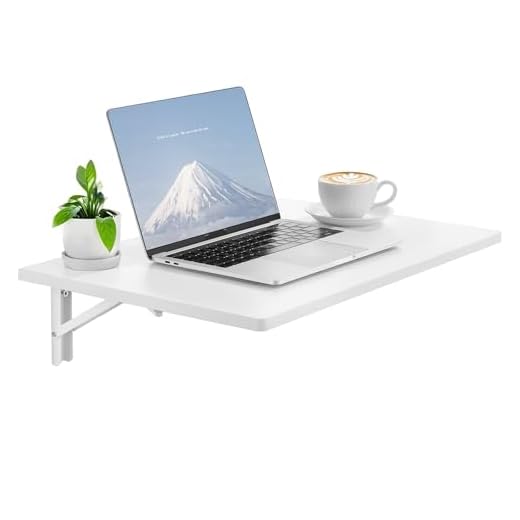


Measure Smart: How to Size a Fold-Down Table for Your Kitchen
Quick measuring checklist: step-by-step
- Measure the available wall width (left to right), noting obstacles like plugs or rails.
- Note usable wall height: floor to underside of wall cupboards or windowsill. Standard table height is 72–75 cm.
- Measure clearance when the table is open: how far it will project into the room. Include chair depth (45–50 cm) plus space to sit comfortably (total forward clearance 100–120 cm for dining).
- Check adjacent cupboards, oven doors or hallways — open them and measure swing arcs so they don’t collide with the table.
- Mark the kneeroom: at least 60 cm depth under the table and 65–75 cm of leg height for comfort.
Recommended dimensions for common uses
These sizes suit searches like “how to fit a fold down table in a small galley kitchen” and help when comparing compact wall mounted dining table dimensions UK.
Converting inches and centimetres
Measuring for unusual spaces
For alcoves, corners or angled walls, measure diagonals and depth from the narrowest point. Consider corner-mounted hinges or a smaller triangular leaf. Always leave a 10–15 cm gap for cleaning and movement around the unit.
Next you’ll want to match those measurements to a table that can handle real use — which brings us to load-bearing, materials and weight capacity.
Load Bearing and Build: Choosing Materials and Weight Capacity
Materials: what to pick and why it matters
Solid timber gives character and repairs well, plywood offers strength without warping, MDF is budget-friendly but swells if wet, and engineered boards (veneered chipboard) balance cost and appearance. Metal frames—steel or aluminium—add rigidity and are ideal for a durable fold down table for small kitchen setups where you need extra support. Choose plywood or solid timber tops where you expect heavy or daily use.
Hinges, brackets and fixings
Look for heavy-duty folding brackets, gas-strut supports or locking stay hinges rather than flimsy piano hinges. Bracket type determines how the table behaves under load and whether it locks flat or needs manual support.
Recommended load ratings (practical guidance)
When searching, try terms like “wall mounted fold down table weight capacity UK” to compare real-world ratings.
How to read specs & what to ask
Corrosion resistance & finishes
For humid UK kitchens choose stainless-steel, galvanised or zinc-plated fittings and marine-grade screws. Select finishes that resist steam and splashes—hard-wearing lacquer, melamine or oiled/varnished solid wood rather than untreated MDF. Always buy tables with tested hardwearing fittings and ask the seller for maintenance guidance to prolong life.
Style and Finish: Matching Your Table to a Small Kitchen
Choosing the right look is about more than taste — it affects how roomy your kitchen feels. Prioritise light tones, slim profiles and matt or low-sheen finishes to reduce glare from spotlights or morning sun and make the space appear larger.
Colour, tone and visual tricks
Styles: how each affects perceived space
Practical finish and edge details
Next, we’ll cover the fixings and installation choices you’ll need so that your chosen style is fitted safely and doesn’t compromise wall or bracket performance.
Practical Features: Storage, Multi-Function and Accessibility
Clever storage and integrated extras
Look for units that add storage without bulk: behind-the-door shelving, shallow spice racks, magnetic knife strips or rail hooks that live on the closed face. A flip-down table that doubles as a shelf when closed keeps jars and cookbooks tidy and saves surface clutter. Tip: fit a slim lip or bookstop on the edge to stop items sliding when folded.
Convertible, reversible and space‑saving options
Practical multi‑function features to consider:
Ergonomics: prep vs dining heights and clearances
Decide primary use. Standard kitchen worktop height in the UK is around 90 cm — ideal for meal prep. Dining height is typically 72–76 cm. If you need both, choose:
Accessibility and safety
Make the table usable for all household members by installing at reachable heights (consider a lower mounting for wheelchair users). Look for:
Product ideas to explore include the IKEA NORBERG drop‑leaf and specialist heavy‑duty hinge models with easy‑release. For keyword discovery try: “multifunction wall mounted dining table compact homes” and “fold down table with storage for small kitchen UK”.
Next, we’ll look at how to choose fixings and fit your chosen model so it performs safely on the wall.
Installation and Fixings: Fitting a Fold-Down Table Safely
Find the right anchor points
Start by locating studs with a reliable stud finder. If you can bolt into timber studs, use long coach/lag screws (typically 8 mm with a large washer, 60–100 mm long depending on rail thickness). For solid brick or block walls use quality masonry plugs and 8–10 mm coach bolts or sleeve anchors (brands like Rawlplug or Fischer work well). If you need guidance on “how to install a wall mounted fold down table UK”, aim to fix into structure wherever possible rather than relying solely on plasterboard.
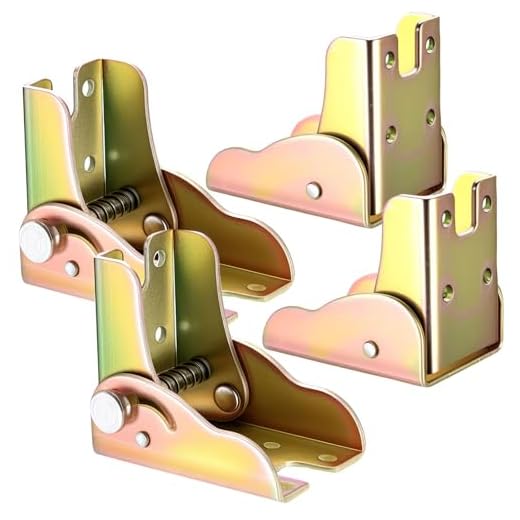
When plasterboard needs stronger help
If studs aren’t in the right place, use a mounting rail (French cleat or steel wall rail) that spans multiple studs or fit heavy-duty cavity anchors. For plasterboard, the best fixings for fold down table plasterboard are metal toggle anchors (Snaptoggle/TOGGLER) or long molly bolts—these spread the load across the cavity. Avoid basic plastic plugs here.
Tools and preparation
Essential tools:
Before drilling, scan for pipes and electrical cables (don’t assume services avoid the area). If in doubt, switch off mains water/electric in the zone or consult a qualified tradesperson.
When to hire a pro
Call a joiner, experienced handyman, or installer if the table is heavy, if you must fix into masonry at height, or if services are close to the mounting zone. For electrical or plumbing issues, use a certified electrician or plumber.
Safety checks after fitting
Next, we’ll explore where to buy and the right questions to ask suppliers in the UK market.
Where to Buy and What to Ask: Finding the Right Model in the UK
Where to look: four practical routes

Questions to ask sellers (your checklist)
How to compare and verify claims
Quick search tips: try long‑tail phrases such as “where to buy wall mounted fold down table UK” and “custom fold down dining table small kitchen UK” to surface local artisans and niche suppliers. Next, we move on to wrap up the key choices and practical steps in the Conclusion section.
Make Your Small Kitchen Work Harder
Measure accurately, allow clearance, pick reasonable load capacity and robust materials, match finish to your décor, favour practical storage, and prioritise safe installation with fixings. Use checklists and long-tail search terms (e.g. “compact wall mounted fold down table UK kitchen”) to compare models that suit small spaces and lifestyle.
Choose a high-quality model that balances strength, size and style. Try long-tail searches like “wall mounted breakfast bar fold down table small flat UK” and “space saving foldaway kitchen table oak finish” to narrow options. Choose high-quality relevant feature image with suitable size. Start searching.