

Info Hub
Case Studies: Wall-Mounted Desk vs Traditional Desk — Which Wins for Small Home Offices?
Introduction — Why this comparison matters for small home offices
Space is at a premium in many UK flats and houses, so choosing the right desk matters. This guide compares the space saving wall-mounted desk for home office UK with traditional freestanding desks. It targets long-tail searches like “best wall-mounted desk for small UK flat” and “compact home office desk UK” to help you find solutions that reclaim floor area and boost productivity.
We use clear criteria throughout: footprint, flexibility, ergonomics, storage, cost and sustainability. Expect practical, real-world case studies and trending product suggestions (fold-down wall desks, compact standing desks and small UK-made storage solutions). By the end you’ll know which option wins for different small-home scenarios and tips.
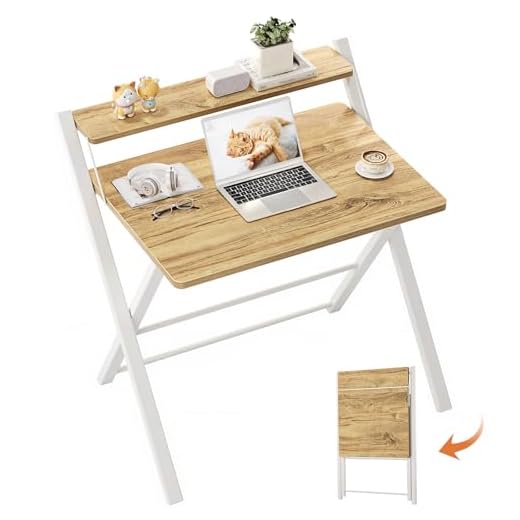

Space-saving advantages: How wall-mounted desks reclaim floor area
Quantifying the saved floor footprint
Wall-mounted desks shrink the visible footprint by eliminating legs and reclaiming under‑desk floor area for storage or circulation. A typical freestanding small desk occupies roughly 0.4–0.6 m²; a compact wall-mounted workstation for apartments UK can reduce that to a 0.15–0.25 m² usable floor footprint because the floor beneath stays clear. For one‑person laptop work, that difference is the equivalent of freeing up a narrow shelving unit or a chair — small gains that matter in a 35 m² flat.
Visual openness and perceived space
Freeing floor area improves visual openness: without legs, the eye travels under the desk to the far wall, making a room feel larger. This is why searches for “wall mounted folding desk for small spaces UK” spike among renters converting living rooms into multifunctional work zones — the desk disappears when folded and the floor reads as continuous.
Common small‑UK‑flat scenarios
Practical metrics and quick fit checklist
Trending models that exemplify the benefit
IKEA’s drop‑leaf wall‑mounted units (eg. NORBERG) and compact folding desks from retailers such as Argos and John Lewis frequently top searches for “best wall-mounted desk for small UK flat” because they combine slim profiles, easy installation and affordable prices. In practice, a fold‑down unit in a living room alcove can free enough space for a coffee table and armchair where previously only a cramped desk fit.
Installation, flexibility and adaptability: solutions for awkward UK homes
Practical choices: fixed, folding or modular
In cramped British homes you’ll usually pick between a fixed-wall installation, a wall mounted folding desk for small spaces UK, or a modular wall system that combines shelves and a work surface. Fixed fits are rock‑solid for monitors and full PC rigs; folding drop‑leaf desks free the room when not in use; modular units turn a narrow alcove into a multi‑purpose wall.
How to install — step-by-step checklist
Fixings by wall material
Renters and low‑impact alternatives
For rental flats where making holes is limited, look for a compact fold-down desk for rental flats UK or bracket‑supported floating desks that use fewer fixings. Other options: wall‑hung worktops clamped to corbels, freestanding console desks that sit under picture rails, or modular shelving systems that use floor-to-ceiling tension poles to carry a small desktop.
Trending, easy installs in the UK market
IKEA NORBERG-style drop‑leafs, Argos and John Lewis compact fold‑down desks are popular because they balance price and easy fitting. Real‑life tip: a 1930s terrace owner fixed a small folding unit into a chimney alcove with two stud screws and a pair of toggle anchors — the desk supports a laptop and a monitor arm without wobble.
Ergonomics and productivity: making compact setups comfortable
Monitor and screen positioning
For an ergonomic wall-mounted desk setup UK, screen height and distance are non-negotiable. Aim for top of screen at or just below eye level and 50–70 cm (an arm’s length) from the eyes for a 24–27″ monitor. Use a wall-mounted monitor arm (Ergotron LX Wall Mount or the budget-friendly Suptek Full-Motion Swivel and Tilt TV Bracket) to bring big adjustments without eating surface space. In a narrow alcove, a single‑arm mount transforms a shallow desktop into a true ergonomic station.
Keyboard, mouse and work surface
Shallow desks demand clever peripherals. Fit a slim under‑desk keyboard tray or a slide‑out shallow tray (200–250 mm depth) to keep wrists neutral while preserving desk top for papers. Ideal desk height ranges: 680–740 mm for seated work (adjust within that range according to your chair and elbow angle), lowering to 640 mm for petite users. Ensure 600–700 mm of clear legroom depth so your thighs aren’t cramped.
Sit‑stand and movement
Small home office ergonomic solutions for small spaces UK often rely on compact sit‑stand converters. The FlexiSpot M2B and VariDesk Pro Plus 36 offer narrow footprints and sit‑stand action compatible with wall‑mounted desktops. Choose a converter that secures to the desktop and doesn’t overhang into circulation space.
Typical compromises vs wall‑mounted adaptability
Traditional small desks commonly force fixed heights, limited monitor elevation and cramped leg clearance — leading to slouching and neck strain. Wall‑mounted systems, by contrast, pair with monitor arms, keyboard trays and slim sit‑stand units to reclaim adjustability in micro‑spaces.
A friend in a London studio swapped a narrow floating shelf for a wall‑mounted desktop plus a monitor arm and reported fewer headaches after weeks of working — small changes add up when you optimise dimensions and movement.
Storage and organisation: maximising function in limited square footage
Think vertically first
A compact wall-mounted desk with storage UK buyers love turns empty wall real estate into a full storage system. Install shallow shelves or slim cupboards above or beside the worktop to keep files and reference books off the surface and floor. Vertical shelving preserves floor area that under‑desk pedestals on traditional desks would otherwise block.
Mix modular shelving with a narrow worktop
Pair a narrow wall-mounted worktop (norberg-style or a simple 600–800 mm oak shelf) with modular units from IKEA EKET or the String System for a versatile combo. Many UK shoppers choose IKEA SKÅDIS pegboard to hang chargers, headphones and small trays—great for small home office storage solutions UK.
Pegboards, rails and rail-mounted accessories
Pegboard and rail systems (SKÅDIS, Ferm Living pegboards or metal rail systems sold via John Lewis/Wayfair) let you:
Cable management and chargers
Neat cables make small spaces feel larger. Practical steps:
Paperwork and peripherals: rules that work
Choosing vertical wall storage over under‑desk pedestals saves precious square footage and makes small spaces feel calm and usable. Next, we’ll look at real-world case studies and product comparisons to see which setups perform best in specific UK scenarios.
Real-world case studies and product comparisons: which option wins by scenario
Studio flat — living and working in one room
Wall-mounted pick: drop-leaf wall-mounted table (IKEA‑style) with a slim shelf above (best wall-mounted desk for small UK flat).
Traditional pick: IKEA MICKE small desk or slim console desk.
Spare room turned office — flexibility needed
Wall-mounted pick: floating desk with integrated storage (trending suppliers/Wayfair variants).
Traditional pick: small pedestal desk (compact desk with drawers).
Student / teen study corner
Wall-mounted pick: compact folding wall desk from Argos/Wayfair (space saving wall-mounted desk for home office UK).
Traditional pick: slim student desk or desk with hutch.
Open-plan compact home-worker corner
Wall-mounted pick: narrow floating worktop + shelf system (String / EKET combo).
Traditional pick: slim console desk with cable tray.
Buying tips:
Next, we’ll examine cost, sustainability and long‑term value to help finalise your buying decision.
Cost, sustainability and long-term value: making an informed purchase
Upfront price and true cost of ownership
For UK shoppers searching “affordable wall-mounted desk UK”, expect basic folding wall tables from retailers like IKEA, Argos or Wayfair from around £40–£150; mid‑range floating desks sit around £150–£400; solid traditional desks often start near £200 and can reach £800+ for quality hardwood. Factor in installation: DIY fixings cost £5–£30; a handyman or joiner typically charges £50–£150 depending on wall type. Renters must check tenancy agreements — temporary fixings (toggle bolts) are common, but some landlords require consent.
Materials, repairability and eco credentials
Materials determine lifespan and sustainability. Quick guidance:
Choose modular pieces where brackets, tops or shelves can be swapped — that extends life in small homes as needs change.
Practical tips to maximise long‑term value
Balancing upfront cost against durability, repairability and eco‑credentials will steer you to the best fit for your small home — next we’ll pull the threads together in the article’s conclusion.
Conclusion — Which wins for small home offices?
For most compact UK homes a well-chosen wall-mounted desk wins: it reclaims floor space, turns rooms into flexible multifunctional areas and pairs perfectly with vertical storage to maximise usability. Folding or modular options from reputable UK retailers give the adaptability many flats need, and targeted searches like “space saving wall-mounted desk for home office UK” or “compact wall-mounted workstation for apartments UK” surface trending products that suit tight footprints.
If you need a large fixed surface or extensive under-desk storage a traditional desk still makes sense. Action steps: measure your space precisely, check wall construction and browse current modular and folding wall-mounted desks to find the best match. Happy space-saving hunting in Britain.