

Tips & Tricks
Step-by-Step Guide to Repairing a Wall Bed That Won’t Stay Up in the UK
Quick Guide: Fixing a Wall Bed That Won’t Stay Up
This concise guide helps UK homeowners diagnose and repair a wall bed that won’t stay up, covering safety checks, DIY fixes for springs, pistons and hinges, plus when to call a professional for Murphy bed repair UK, fold-away bed maintenance.
Requirements: Tools, Parts and Skills
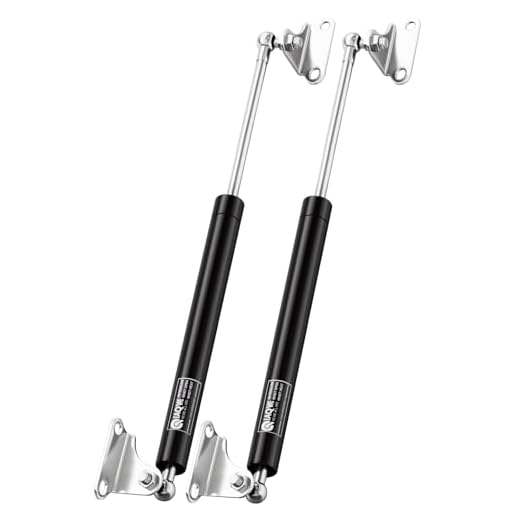
Step 1 — Diagnose the Fault
What's really causing your wall bed to drop — surprise problems many owners miss?Start by clearing the area and securing the mattress to prevent sudden drops. Secure the room — move furniture and unplug bedside lamps.
Inspect visible hardware for obvious issues. Check:
Look for wear, rust, bent metal, loose fastenings, snapped springs or oil leaks on pistons. Test the mechanism with the bed empty: have an assistant hold the frame while you operate it slowly and note if the bed hesitates, drops suddenly or feels heavy. Measure resistance and movement — does a piston extend smoothly or drip oil? Are springs intact and evenly tensioned?
Check wall fixings and timber for rot or movement common in older UK flats; try the spirit level to confirm the frame sits squarely in its housing. Photograph faults and record serial numbers or manufacturer marks to help source parts for Murphy bed repair UK or wall bed mechanism replacement UK. Only proceed if the structure seems sound; otherwise consult a professional. If in doubt, stop and get a free quote from a UK specialist in space saving furniture repairs.
Step 2 — Safety Checks and Preparation
Want to avoid a collapsed bed and a trip to A&E? Prepare like a pro.Remove bedding and mattress. Prop the bed securely using a locking prop bar, a scaffold pole or timber battens braced against the floor. Support the frame with a second person and mark hinge and piston positions with tape to aid reassembly.
Wear gloves and eye protection. If the bed uses gas struts, follow the manufacturer guidance before attempting removal — compressed gas can be hazardous. Isolate any electrical components if your wall bed has integrated lighting or sockets.
Lay out tools and replacement parts nearby, including:
Check wall fixings and timber for rot or cracked fixings. If you discover structural issues, stop and consult a builder — do not attempt load-bearing repairs without professional help. Work methodically and patiently.
Step 3 — Fix and Replace Common Components
Swap a spring, tweak a hinge — small fixes that make your Murphy bed behave like new.Replace worn springs or failed gas pistons with matching UK-spec parts. Check the part number and replace like‑for‑like—e.g. fit a piston with the same stroke and force rating for your double or single bed—sourced from a reputable UK supplier.
Tighten or replace loose hinges and swap damaged brackets. Use the manufacturer torque settings and apply threadlocker to fastenings before final torque.
Lubricate pivot points with light machine oil rather than heavy grease which attracts dust and impedes movement. Wipe away old lubricant and apply sparingly.
Realign the frame if binding occurs: loosen mounting screws slightly, manoeuvre the bed until it sits square, then retighten progressively while checking alignment.
Adjust adjustable-tension systems incrementally: increase spring or piston force a small step at a time and test with the mattress removed until the bed stays up reliably but lowers smoothly.
Keep receipts and part numbers for Murphy bed repair UK and wall bed mechanism replacement UK. Order parts from UK suppliers to ensure compatibility.
Step 4 — Call a Professional and Maintain for Longevity
When is DIY risky? Know when to stop and how to prevent repeat failures.Call a qualified carpenter or wall bed specialist in the UK if repairs are beyond your comfort or involve structural wall fixes.
Check tradespeople experienced in space saving furniture and Murphy bed repair UK; request reviews, proof of insurance and a written estimate.
Obtain three written quotes for major work and expect professional call‑out charges and parts costs — for example, ask for an itemised parts and labour breakdown before you commit.
Schedule annual maintenance and perform routine checks yourself between services.
Fit safety straps where missing and train household members on safe operation.
Keep a log of maintenance dates and part replacements and check manufacturer warranty terms.
Conclusion: Safe, Practical Wall Bed Repair
Follow these steps to safely fix a wall bed that won’t stay up using correct parts; for structural or complex faults, hire a UK specialist in space-saving furniture repairs—finding help?